
Easy Carve Leg Roast

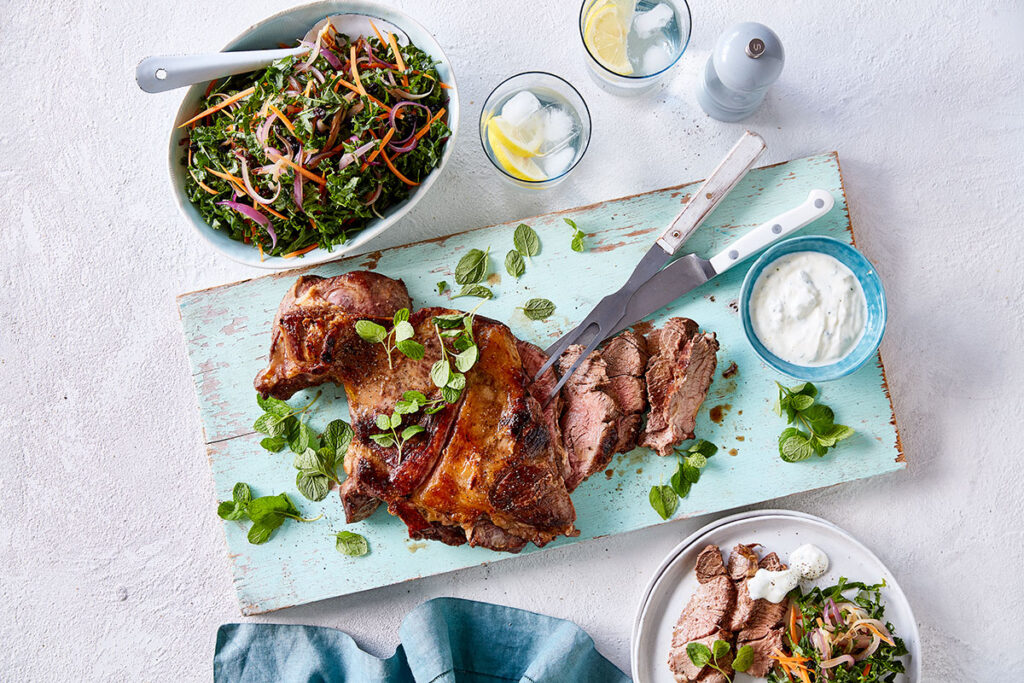
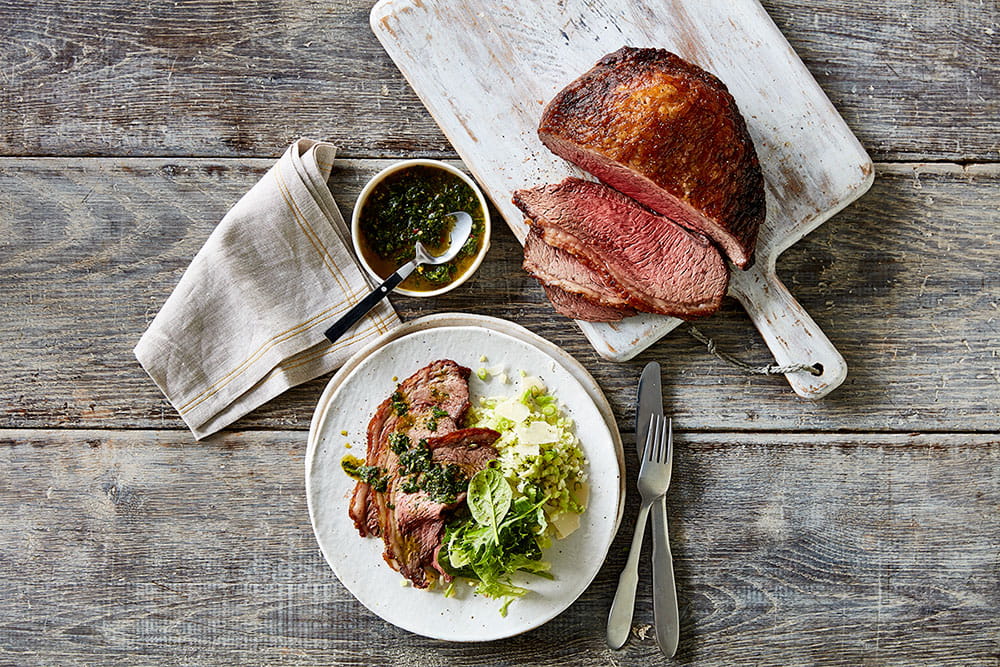
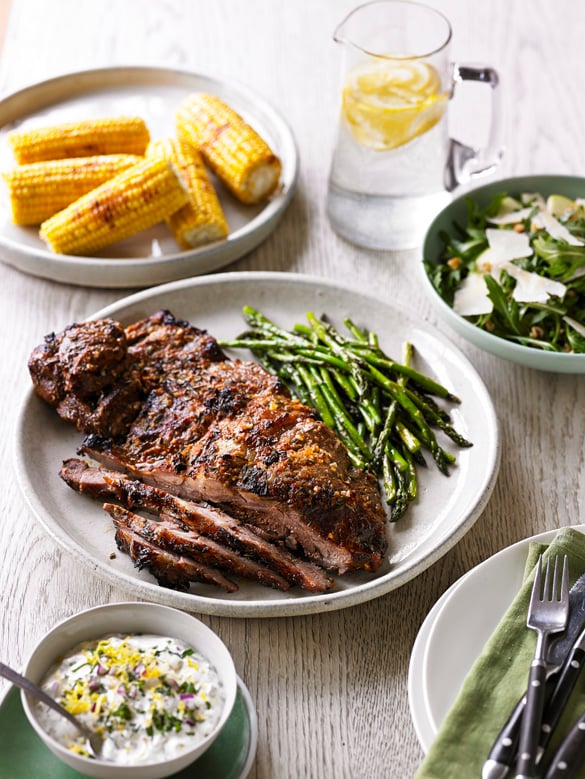
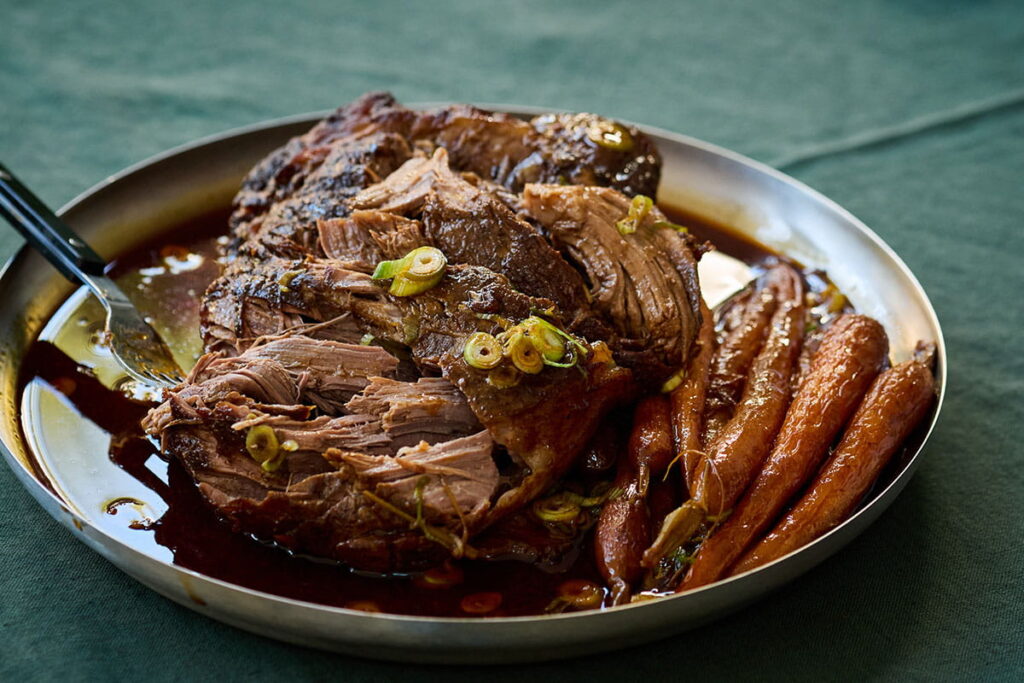
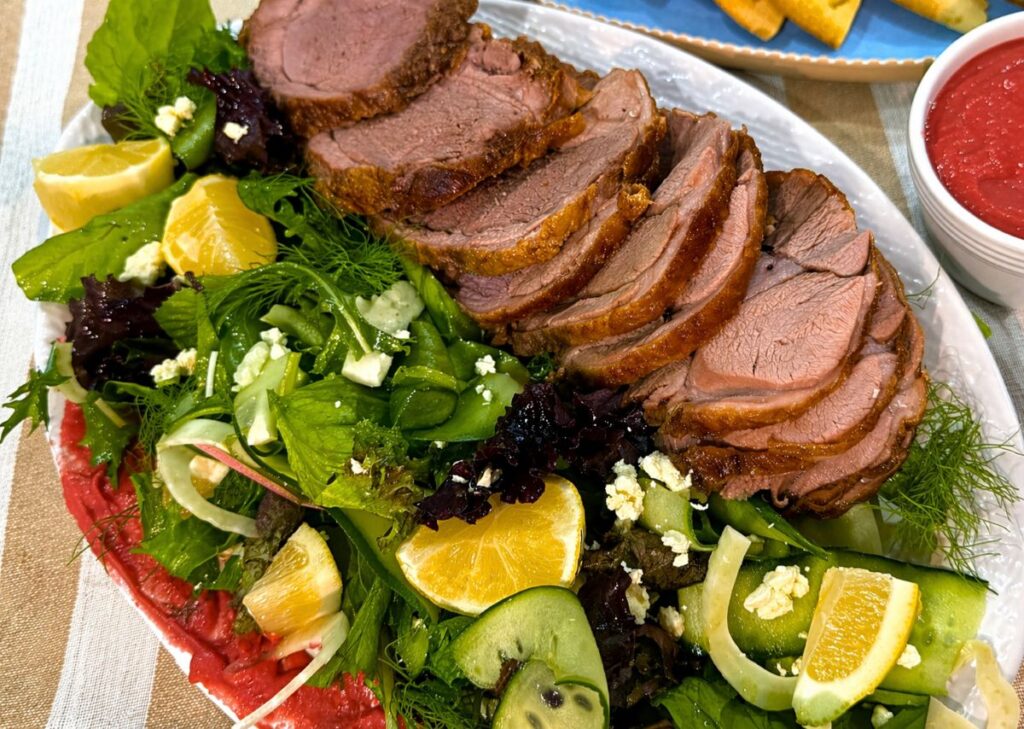
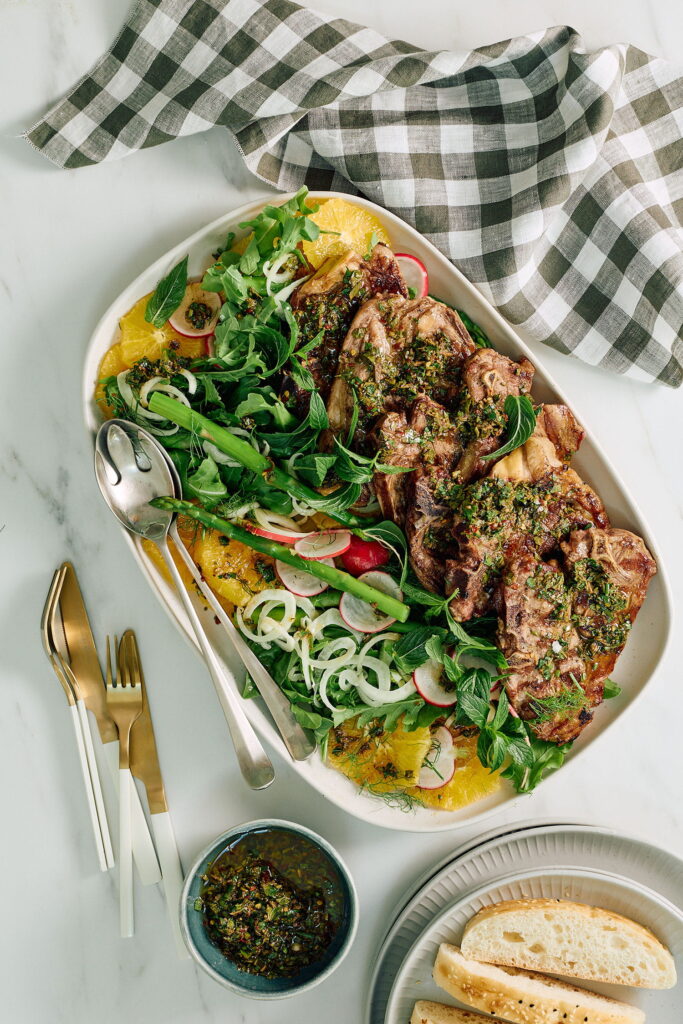
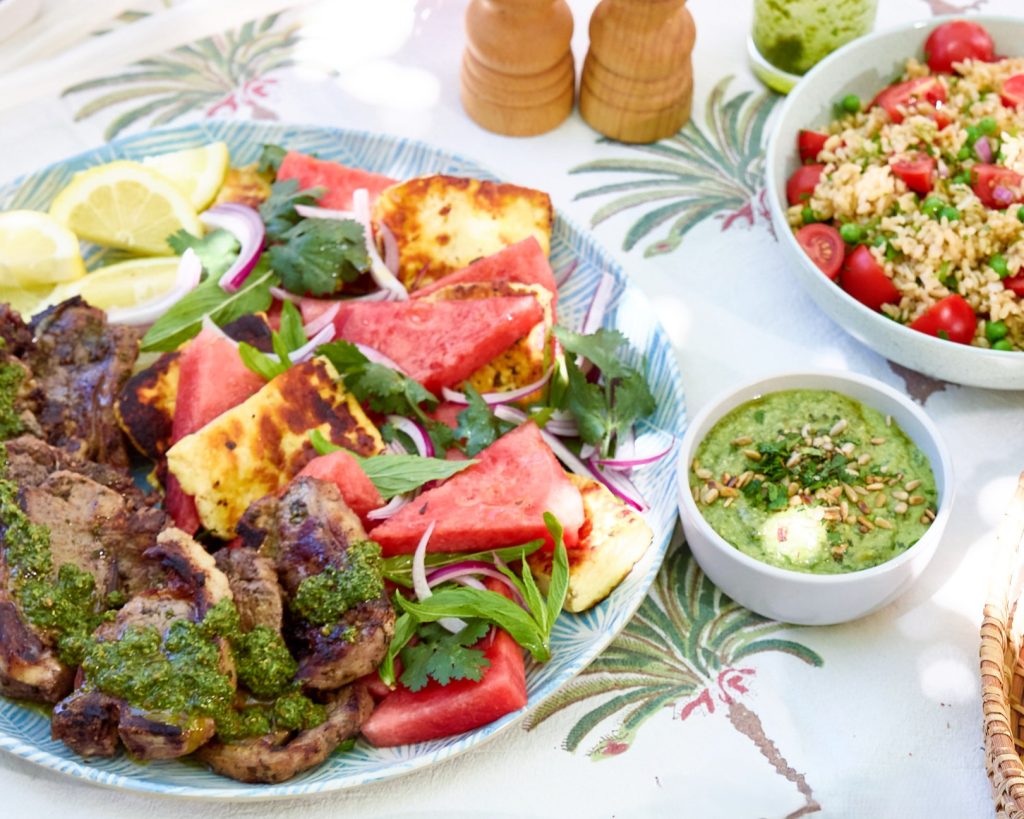
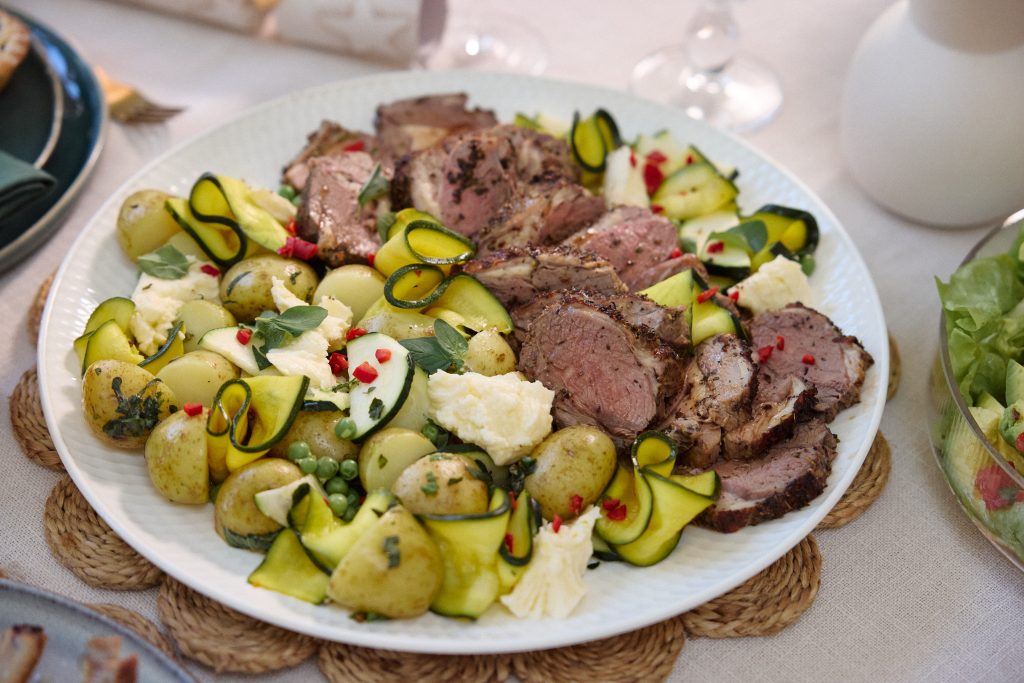
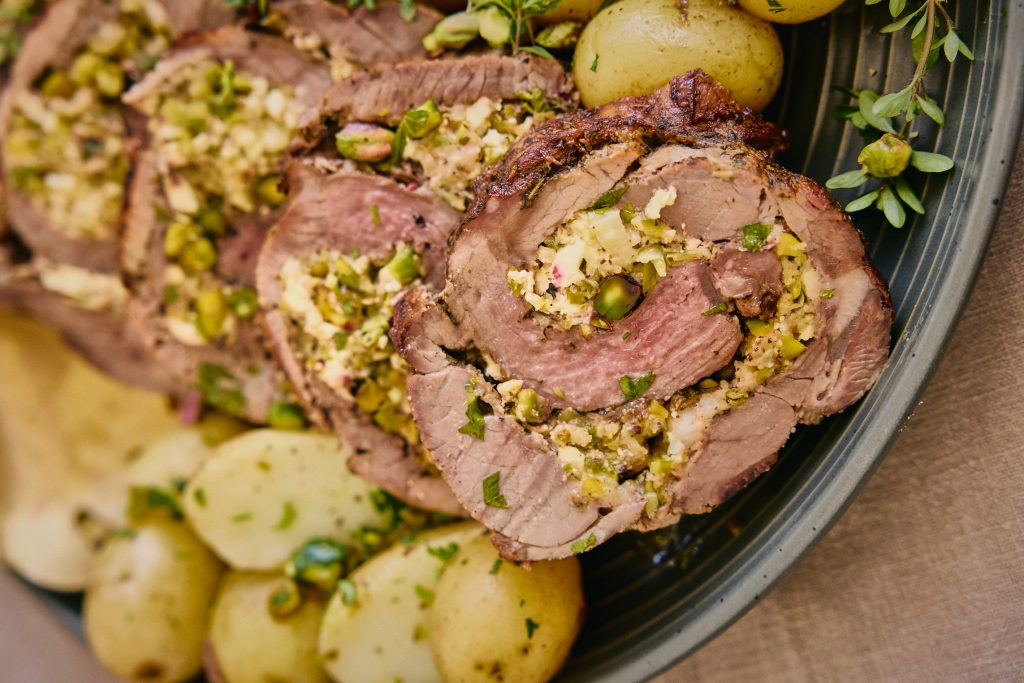
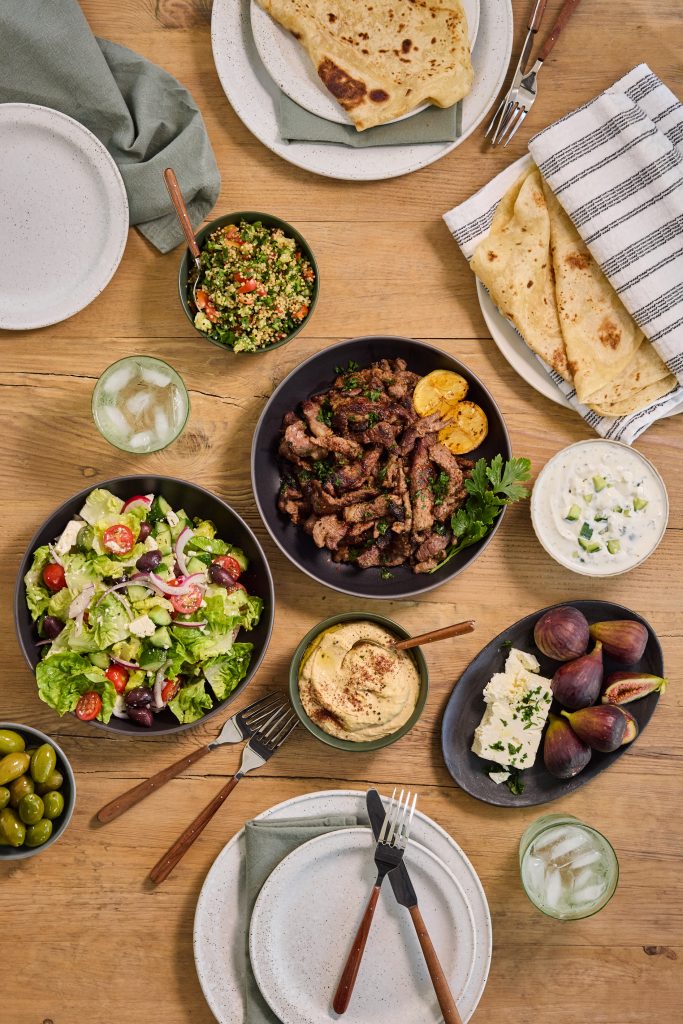
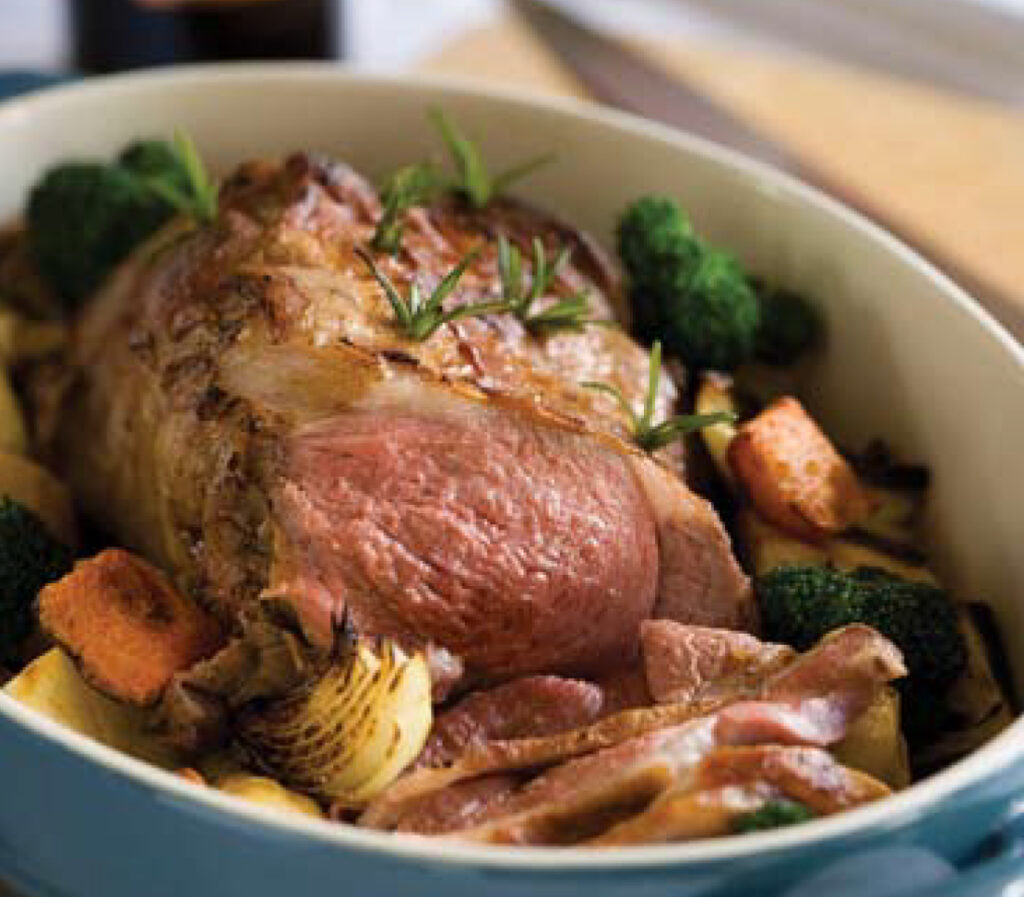
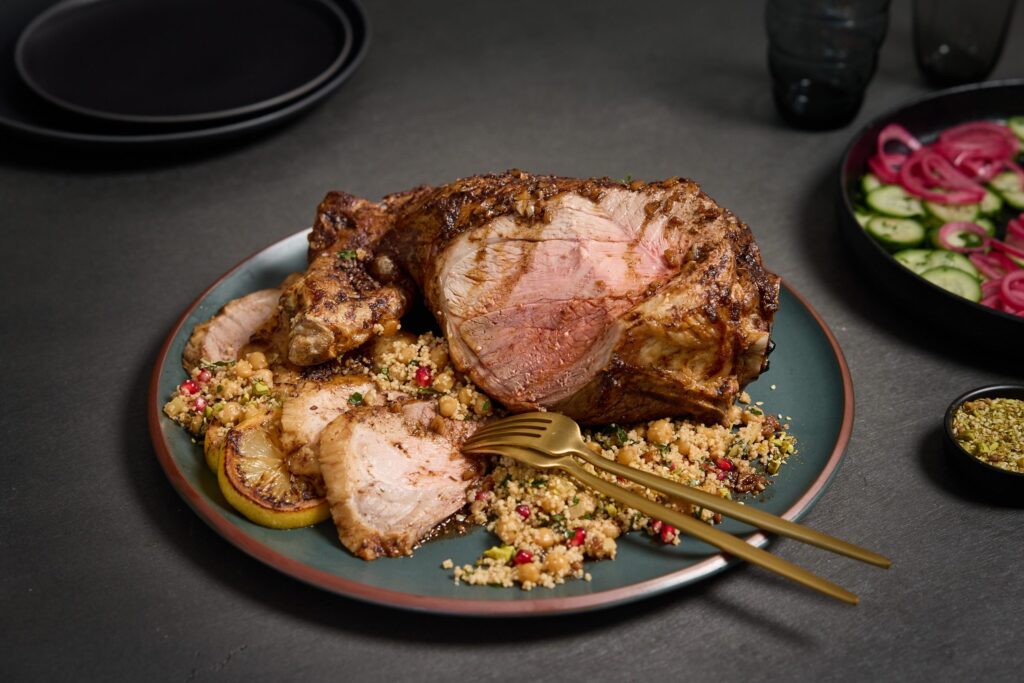
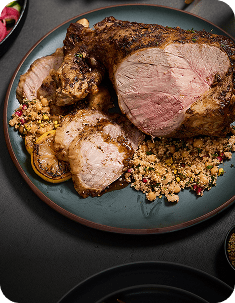
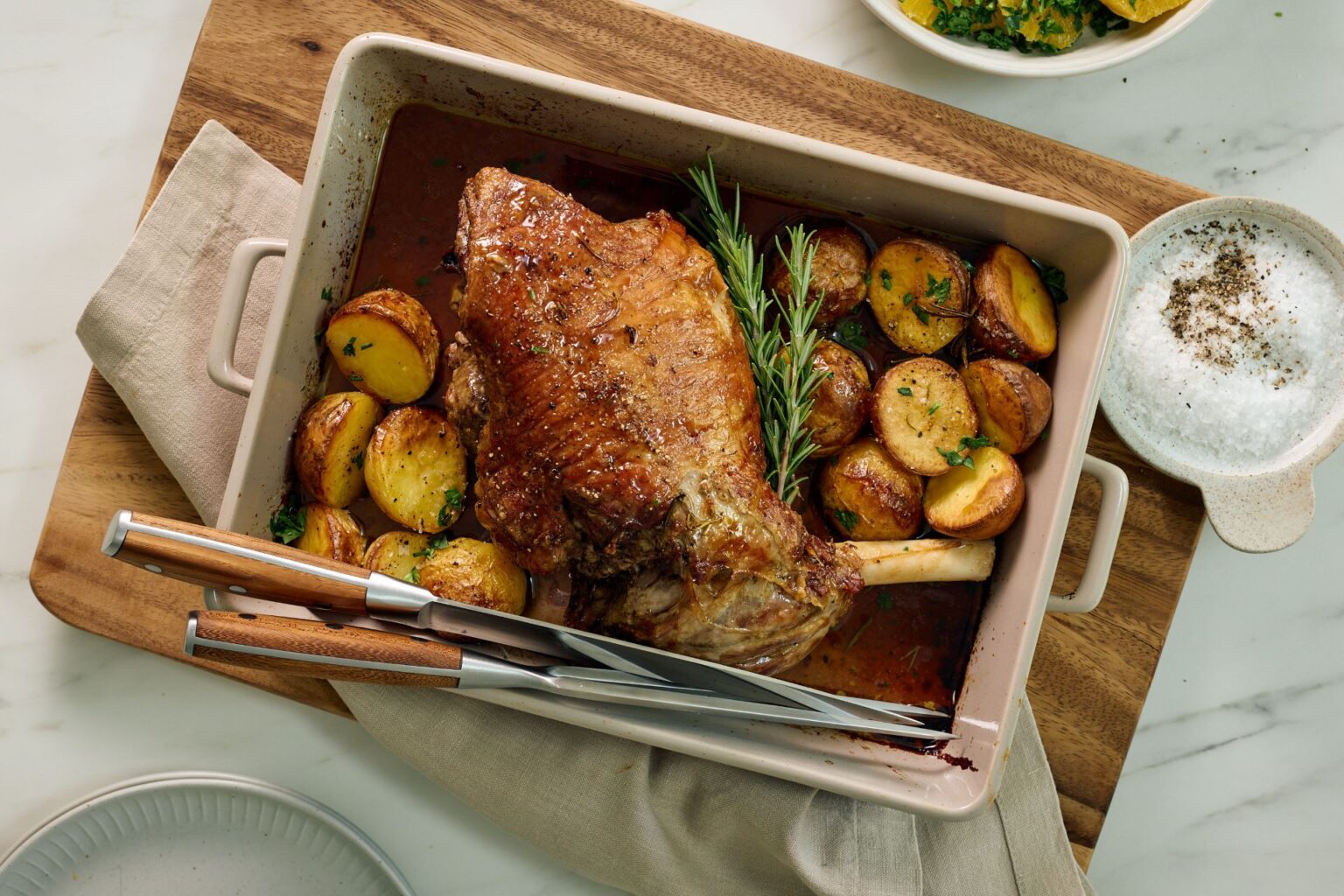
Celebrate Easter with a relaxed, generous table built around a beautiful Amelia Park Easy Carve Leg Roast. Perfectly suited to long lunches and casual gatherings, this roast becomes the centrepiece of a simple grazing-style spread — surrounded by seasonal produce, fresh crusty bread, and a selection of condiments that guests can help themselves to.

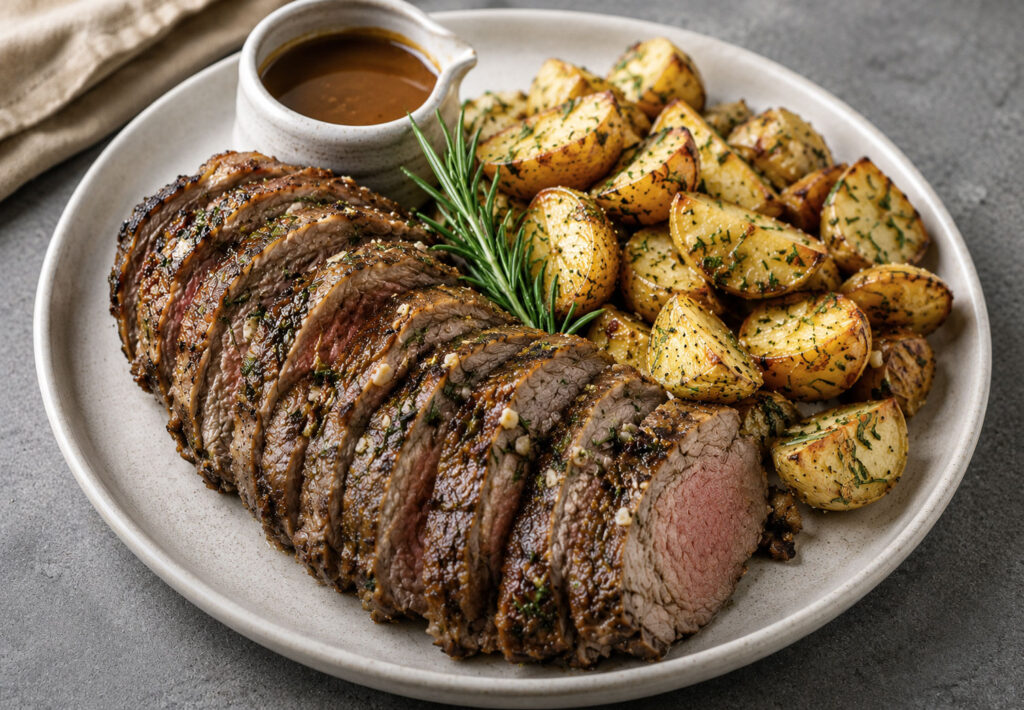
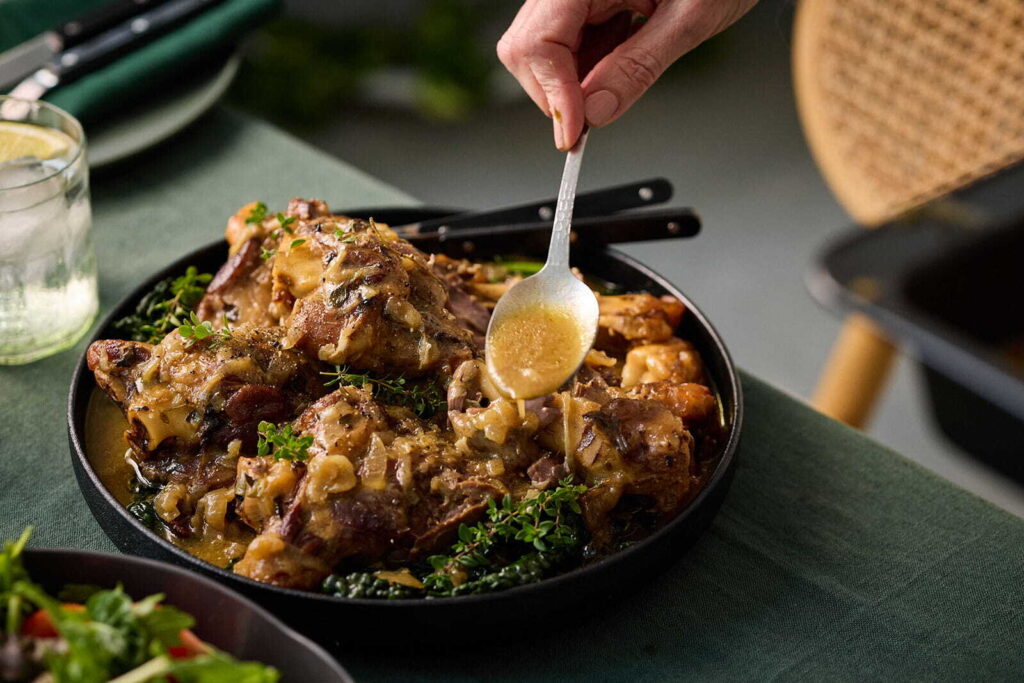
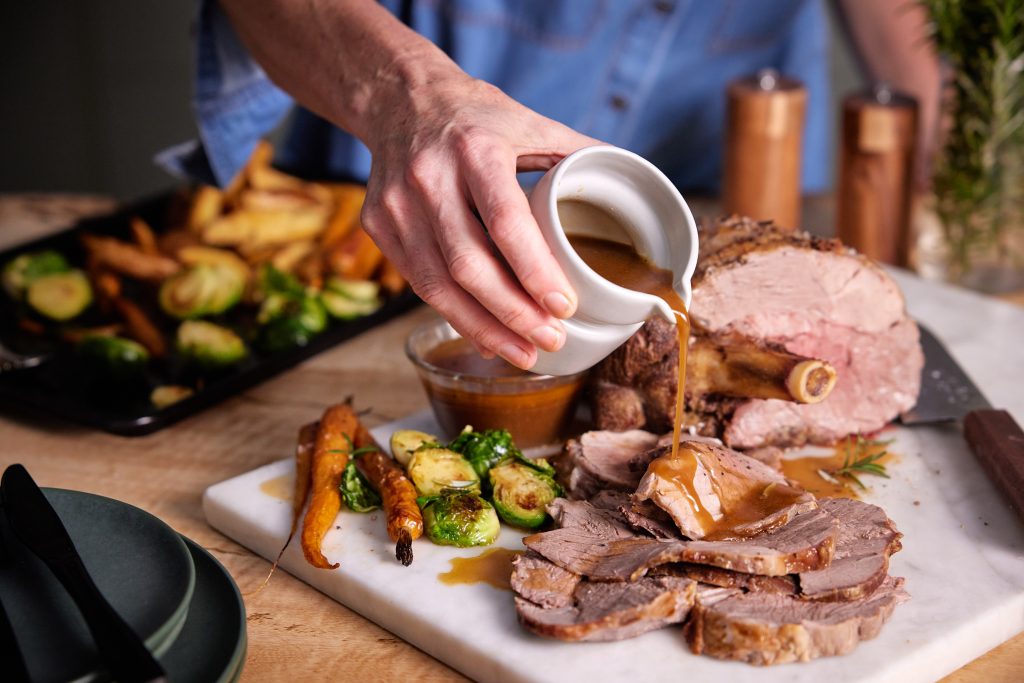
The easy-carve cut makes serving effortless, while the rich pan juices create a deeply flavourful gravy that brings everything on the table together. Nothing goes to waste — just tender slices of lamb, good bread to mop up the gravy, and the kind of laid-back Easter feast that invites everyone to linger a little longer. If that’s what you want!?

Note: This cut of lamb has most of the bone removed to make carving easy, however the end third is left intact to help hold the leg together during cooking. The bone isn’t visible when the lamb is raw but will protrude slightly as it cooks — just something to keep in mind when picking up your Amelia Park Easy Carve Leg in store.
Amelia Park Ugc 260205 1536x1024
Clock

20mins

Clock

Approx 1 hour 30 mins + resting time

Clock

8

INGREDIENTS

1 x Amelia Park Easy Carve Leg Roast (or more depending on the guest list)

The table inclusions can really be whatever your heart desires, but I’ve outlined a few ideas below to get you started. When I’m hosting, I usually take care of the main protein — in this case the lamb — and ask guests to bring something to add to the table. It keeps things simple for the host, and friends are always happy to pitch in.

Table inclusion suggestions

  • Roast potatoes (because everyone loves a crispy golden potato)
  • Thinly sliced cucumber
  • Sliced tomato
  • Sliced red onion
  • Rocket and leafy greens
  • Cheeses (what ever you enjoy)
  • Fresh breads and butter
  • Cold meats
  • Seasonal fruit platter
  • Easter eggs

Condiments

  • Mustards
  • Pickles
  • Aioli
  • Fruit chutney
  • Jammed Chilli – Franklin and Clement


Method

Easy Carve Leg Roast Cook. Overview

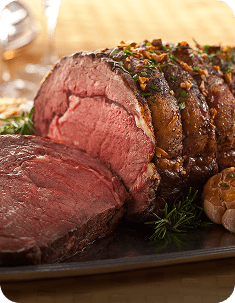
To cook a roast lamb to medium, aim for an internal temperature of 65°C. If you don’t have a meat thermometer try roasting for 25-30 minutes per 500g.
Seal the lamb by starting your cook at 220°C fan forced for 20 minutes or so, then turn the heat down to 180°C fan forced for the remainder of the cook.
Rest your lamb for at least 20 mins. (see cooks notes below)

Cook Plan

  1. Remove lamb from fridge to kitchen bench and bring to room temperature. (approx 30 mins)
  2. Preheat oven to 220°C fan forced
  3. Remove the lamb from its plastic and pat dry with paper towel.
  4. Place your lamb in a generous sized roasting tray and rub with olive oil, rosemary, garlic, salt and pepper.
  5. Add 500g of baby potatoes, halved, to the roasting tray (if including in your Easter table) and drizzle with olive oil then season with salt and pepper.
  6. Cook at 220°C for 20 mins then turn the oven down to 180°C and cook until internal temperature reaches 65 or use the timing guide outlined above,
  7. Remove the lamb from the oven and from the roasting tray then cover and rest for at least 20 mins.
  8. Pour off any roast juices into a small saucepan then return the potatoes to a warm oven 140°C until the lamb is rested. Just before serving, give them a hot blast 200°C to crisp up.
  9. Season potatoes as required and add to your table.
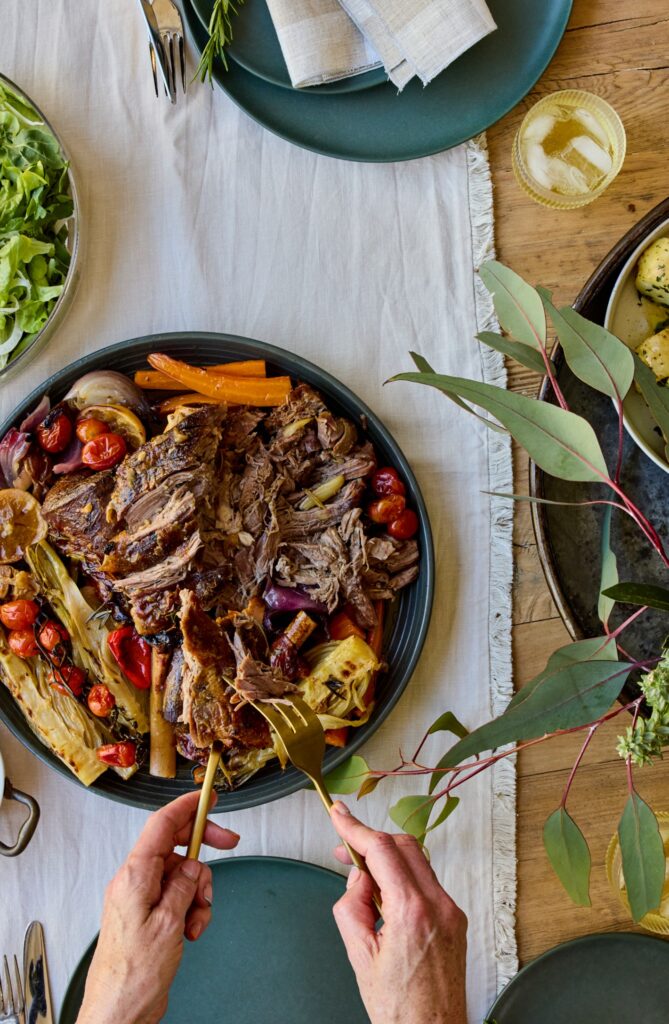
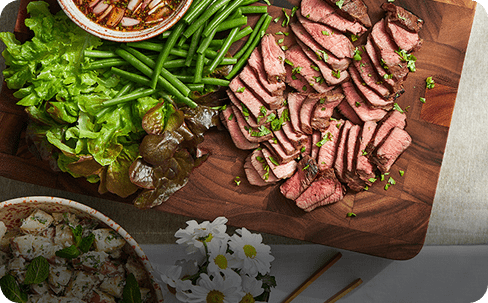
  10. Slice your lamb thinly so guests can enjoy it with a plate of fresh produce, bread and condiments from the table
Why Resting Your Lamb Matters

Resting lamb after cooking is essential for the best flavour and texture. As the meat cooks, the juices are pushed toward the centre. Allowing the lamb to rest gives those juices time to redistribute throughout the meat, resulting in a more succulent roast. Resting also relaxes the muscle fibres that tightened during cooking, making the lamb more tender and easier to carve. During this time the heat settles evenly through the meat and the internal temperature continues to rise slightly — a process known as carryover cooking — helping you achieve perfectly cooked lamb without overcooking the exterior.

Social Media Friendly Version

Cook’s Note:

Always let your lamb rest before carving. As it cooks, the juices move toward the centre of the meat — resting gives them time to settle back through the lamb so every slice stays juicy and tender. It also lets the heat even out and the lamb finish cooking gently (this is called carryover cooking), helping you nail that perfect doneness without drying out the outside.

1 x Amelia Park Easy Carve Leg Roast (or more depending on the guest list)

The table inclusions can really be whatever your heart desires, but I’ve outlined a few ideas below to get you started. When I’m hosting, I usually take care of the main protein — in this case the lamb — and ask guests to bring something to add to the table. It keeps things simple for the host, and friends are always happy to pitch in.

Table inclusion suggestions

  • Roast potatoes (because everyone loves a crispy golden potato)
  • Thinly sliced cucumber
  • Sliced tomato
  • Sliced red onion
  • Rocket and leafy greens
  • Cheeses (what ever you enjoy)
  • Fresh breads and butter
  • Cold meats
  • Seasonal fruit platter
  • Easter eggs

Condiments

  • Mustards
  • Pickles
  • Aioli
  • Fruit chutney
  • Jammed Chilli – Franklin and Clement


Easy Carve Leg Roast Cook. Overview

To cook a roast lamb to medium, aim for an internal temperature of 65°C. If you don’t have a meat thermometer try roasting for 25-30 minutes per 500g.
Seal the lamb by starting your cook at 220°C fan forced for 20 minutes or so, then turn the heat down to 180°C fan forced for the remainder of the cook.
Rest your lamb for at least 20 mins. (see cooks notes below)

Cook Plan

  1. Remove lamb from fridge to kitchen bench and bring to room temperature. (approx 30 mins)
  2. Preheat oven to 220°C fan forced
  3. Remove the lamb from its plastic and pat dry with paper towel.
  4. Place your lamb in a generous sized roasting tray and rub with olive oil, rosemary, garlic, salt and pepper.
  5. Add 500g of baby potatoes, halved, to the roasting tray (if including in your Easter table) and drizzle with olive oil then season with salt and pepper.
  6. Cook at 220°C for 20 mins then turn the oven down to 180°C and cook until internal temperature reaches 65 or use the timing guide outlined above,
  7. Remove the lamb from the oven and from the roasting tray then cover and rest for at least 20 mins.
  8. Pour off any roast juices into a small saucepan then return the potatoes to a warm oven 140°C until the lamb is rested. Just before serving, give them a hot blast 200°C to crisp up.
  9. Season potatoes as required and add to your table.
  10. Slice your lamb thinly so guests can enjoy it with a plate of fresh produce, bread and condiments from the table

Why Resting Your Lamb Matters

Resting lamb after cooking is essential for the best flavour and texture. As the meat cooks, the juices are pushed toward the centre. Allowing the lamb to rest gives those juices time to redistribute throughout the meat, resulting in a more succulent roast. Resting also relaxes the muscle fibres that tightened during cooking, making the lamb more tender and easier to carve. During this time the heat settles evenly through the meat and the internal temperature continues to rise slightly — a process known as carryover cooking — helping you achieve perfectly cooked lamb without overcooking the exterior.

Social Media Friendly Version

Cook’s Note:

Always let your lamb rest before carving. As it cooks, the juices move toward the centre of the meat — resting gives them time to settle back through the lamb so every slice stays juicy and tender. It also lets the heat even out and the lamb finish cooking gently (this is called carryover cooking), helping you nail that perfect doneness without drying out the outside.

Kate Flower

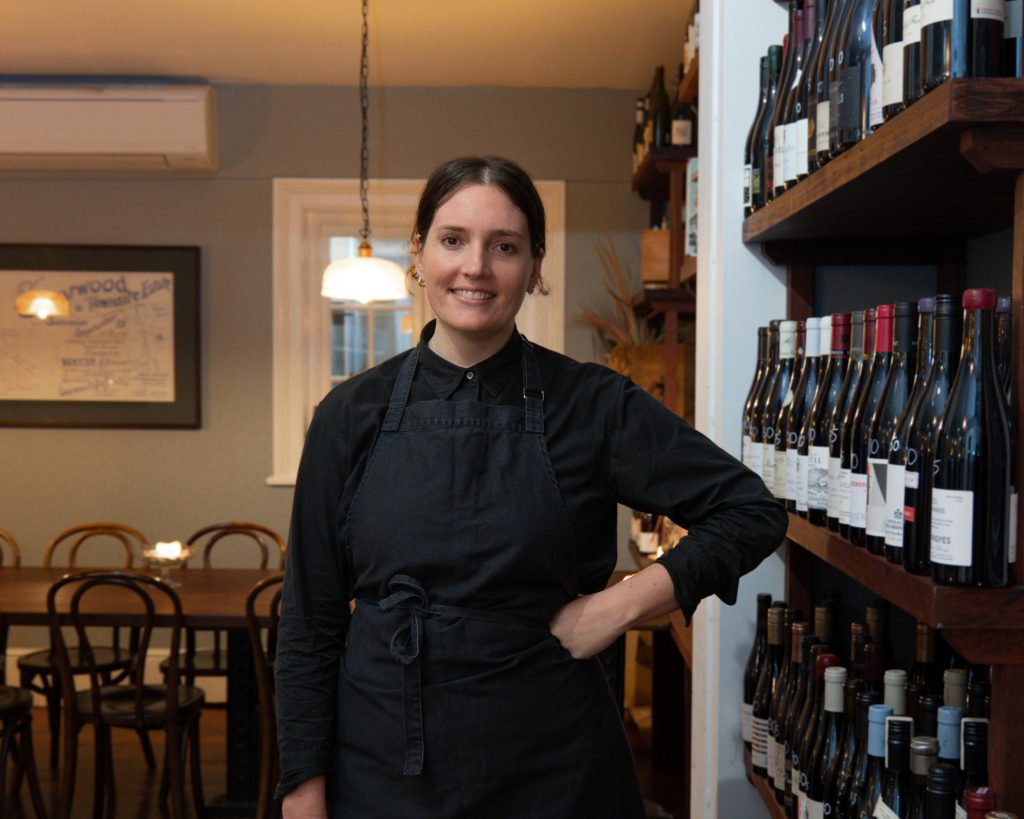
Kate Flower is a Western Australia–based food stylist and recipe developer with over 25 years of industry experience. She specialises in creating visually striking, approachable dishes and works with leading food brands, alongside hosting workshops and publishing cookbooks. Kate is passionate about inspiring others to see the beauty and potential in everyday ingredients.

You may also like

cta-bottom-bg-min