


The right lamb cut makes all the difference when cooking up a delicious meal. Each cut responds differently to heat, time, and technique, and yields a unique tenderness and texture.
From slow-cooked centrepieces to fast, high-heat favourites, matching the cut to the method delivers better results, every time.
And the best part? You only need to know the basics and choose premium Amelia Park products to make lamb the star of any dish. No fancy techniques or additional preparation required!
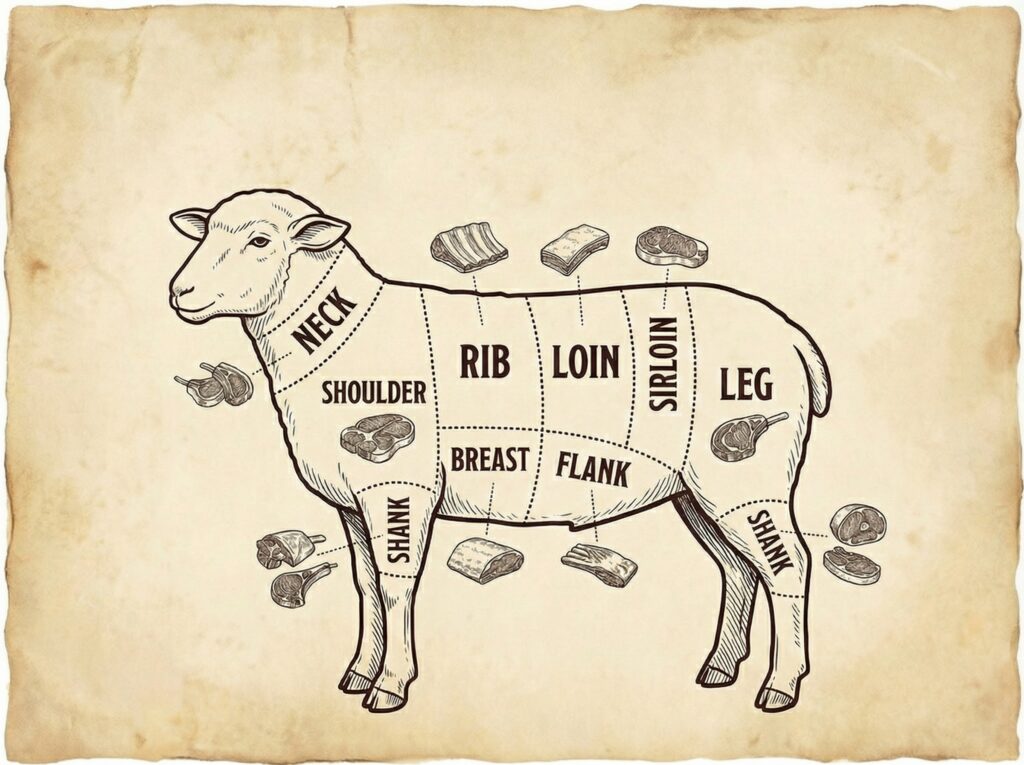
Lamb Cuts: A Quick Overview
The average Australian enjoys around 7 kilograms of sheep meat each year, with lamb making up most of it. Learning how butchers prepare lamb into different cuts helps you choose the right balance of flavour, tenderness, and cooking versatility.
Quick Reference Guide
Cuts |
Characteristics |
Best Cooking Method |
Ideal Dishes |
| Neck | Very flavourful, economical | Slow-cooked | Stews, curries, and tagines |
| Shoulder | Rich, juicy, higher fat content | Slow roasted / Braised | Pulled lamb, roasts, casseroles |
| Rib / Rack | Tender, elegant, and premium | Roasting or grilling | Entertaining, crusted lamb racks |
| Breast | Fatty, bold, and flavourful | Low and slow | Braising, rolled roasts, lamb ribs |
| Loin | Naturally tender, lean | Fast cooking | BBQs, loin chops, medallions |
| Sirloin / Rump | Lean, premium, and meaty | Roasting or grilling | Steaks, mini roasts |
| Flank | Lean and versatile | High heat or grinding | Stir-fries, mince, diced lamb |
| Leg | Large, lean, and classic | Roasting or BBQ | Sunday roasts, butterflied leg |
| Shank | Gelatin-rich, “fall-off-the-bone” | Braising / Slow cooking | Soup, casseroles, red wine braises |
Butcher’s Secrets: How to Choose Like a Pro
To get the most out of your Amelia Park lamb, follow these three golden rules of selection:
Match the Cut to the Clock
-
Short on time? Stick to the Loin, Rump, or Cutlets. These cuts have less connective tissue and are best cooked quickly over high heat to medium-rare (55 – 57 °C).
-
Have all afternoon? Choose Shoulder, Shank, or Neck. These “hard-working” muscles require time to break down collagen into silky, fork-tender meat.
The Main Lamb Cuts Explained
Choosing the Right Lamb Cut for the Right Dish
Every lamb cut behaves differently, shaping how it cooks and tastes. Choosing the cut simplifies cooking and improves results.
Roasts suit leg, sirloin, and rack. Barbecues shine with chops, butterflied leg, and loin cuts. Slow cooking rewards the shoulder, shank, neck, and breast. Everyday meals work best with mince, flank, and loin chops.
Lamb Neck
Lamb neck is one of the most economical and flavour-packed lamb cuts. It comes from a hardworking muscle, which means it rewards slow cooking.
You will find it sold as neck chops or diced lamb. Long, gentle cooking breaks down connective tissue and produces rich, silky sauces. Lamb neck suits stews, curries, tagines, and slow braises where depth of flavour matters.
Lamb Shoulder
Lamb shoulder delivers bold flavour thanks to its higher fat content and connective tissue. This cut rewards time and patience.
Popular options include bone-in shoulder roasts, boneless shoulders, shoulder chops, and diced shoulder. Slow roasting, braising, or casserole cooking transforms this cut into tender, pull-apart meat. It works beautifully for family meals and make-ahead cooking.
Lamb Rib and Rack
The rib section is where you’ll really notice the difference between premium lamb and cheaper products. The rib is one of the most tender and elegant lamb cuts available.
You will see it prepared as a rack of lamb, rib chops, cutlets, or crown roasts. These cuts suit roasting, pan searing, or barbecuing. Lamb rack remains a favourite for entertaining thanks to its presentation and delicate texture.
Lamb Breast (Flap)
Lamb breast comes from the lower chest and contains more fat than most other cuts. That fat delivers exceptional flavour when cooked properly.
Common formats include rolled breast and lamb ribs. The cut suits slow roasting and braising, allowing the fat to render slowly. Many cooks also mince lamb breast for sausages or rich meat sauces.
Lamb Loin
The loin sits between the rib and the sirloin and offers outstanding tenderness. It delivers reliable results with quick cooking methods.
Loin chops resemble small T-bone steaks and cook beautifully on the grill or pan. Lamb tenderloin, taken from this section, suits fast, high-heat cooking and works well for midweek meals or refined dishes.
Lamb Sirloin (Shirlon or Rump)
Lamb sirloin sits behind the loin and before the leg. It delivers a balance of tenderness and leanness.
You will find it sold as lamb rump, sirloin roasts, or sirloin steaks. The cut suits whole roasting or grilling as individual portions. Its clean flavour and neat shape make it a strong choice for entertaining.
Lamb Flank
Lamb flank comes from the underbelly and offers a leaner texture than breast. It requires thoughtful preparation.
Many butchers dice or mince flank for everyday cooking. It suits stir-fries, curries, and spiced dishes where slicing thinly across the grain improves tenderness.
Lamb Leg
Lamb leg remains one of the most recognisable and versatile lamb cuts. It comes from the hindquarter and offers a lean, meaty profile.
Options include whole legs, mini roasts, butterflied legs, and leg steaks. The cut suits roasting, oven baking, and barbecuing. Butterflied leg works particularly well on the BBQ for feeding a crowd.
Lamb Shank (Fore and Hind)
Lamb shanks come from the lower legs and deliver classic comfort food results. These cuts contain collagen that melts during slow cooking.
Braising and slow cooking transform shanks into rich, fall-off-the-bone dishes. They suit soups, casseroles, and long-cooked sauces where depth and texture matter most.
Learn more: Protein Content in Different Cuts of Lamb.
Other Popular Cuts
Lamb chops and cutlets remain barbecue favourites, taken from the rib, loin, or shoulder. Lamb mince offers everyday flexibility for burgers, koftas, and shepherd’s pie. Lamb ribs, cut from the breast, suit low and slow barbecuing for bold flavour.
Some lamb cuts reward curious cooks. Lamb flap, often rolled and stuffed, delivers rich results when roasted slowly. Lamb offal, including liver, kidneys, heart, and sweetbreads, plays a role in traditional cooking and offers nutrient-dense meals when prepared with care.
Ready to try a new lamb cut? Explore our lamb recipes for inspiration and find Amelia Park lamb near you.
Pro Tips for Cooking Lamb to Perfection
Internal temperature matters. Rare lamb sits around 50-52°C, medium rare at 55-57°C, medium at 60-63°C, and well done above 70°C.
Always rest the lamb after cooking to lock in juices. Carve across the grain for tenderness. Simple marinades, herbs, and spice rubs enhance flavour without masking the natural quality of premium lamb.
Why Choose Amelia Park for Premium Lamb Cuts
At Amelia Park, we take pride in producing premium Western Australian lamb with exceptional consistency and flavour. Established in Busselston since 1957, our range covers all major lamb cuts, making it easy to choose the perfect option for every occasion.
From family roasts to weekend barbecues, our lamb is carefully selected from the best WA farms. Find your favourite lamb cuts at your local stockist and experience the award-winning difference of Amelia Park.