
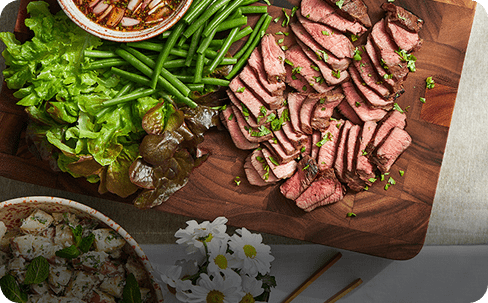
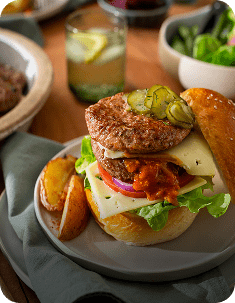
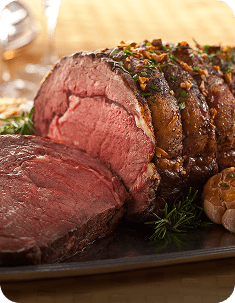
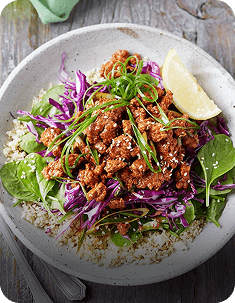

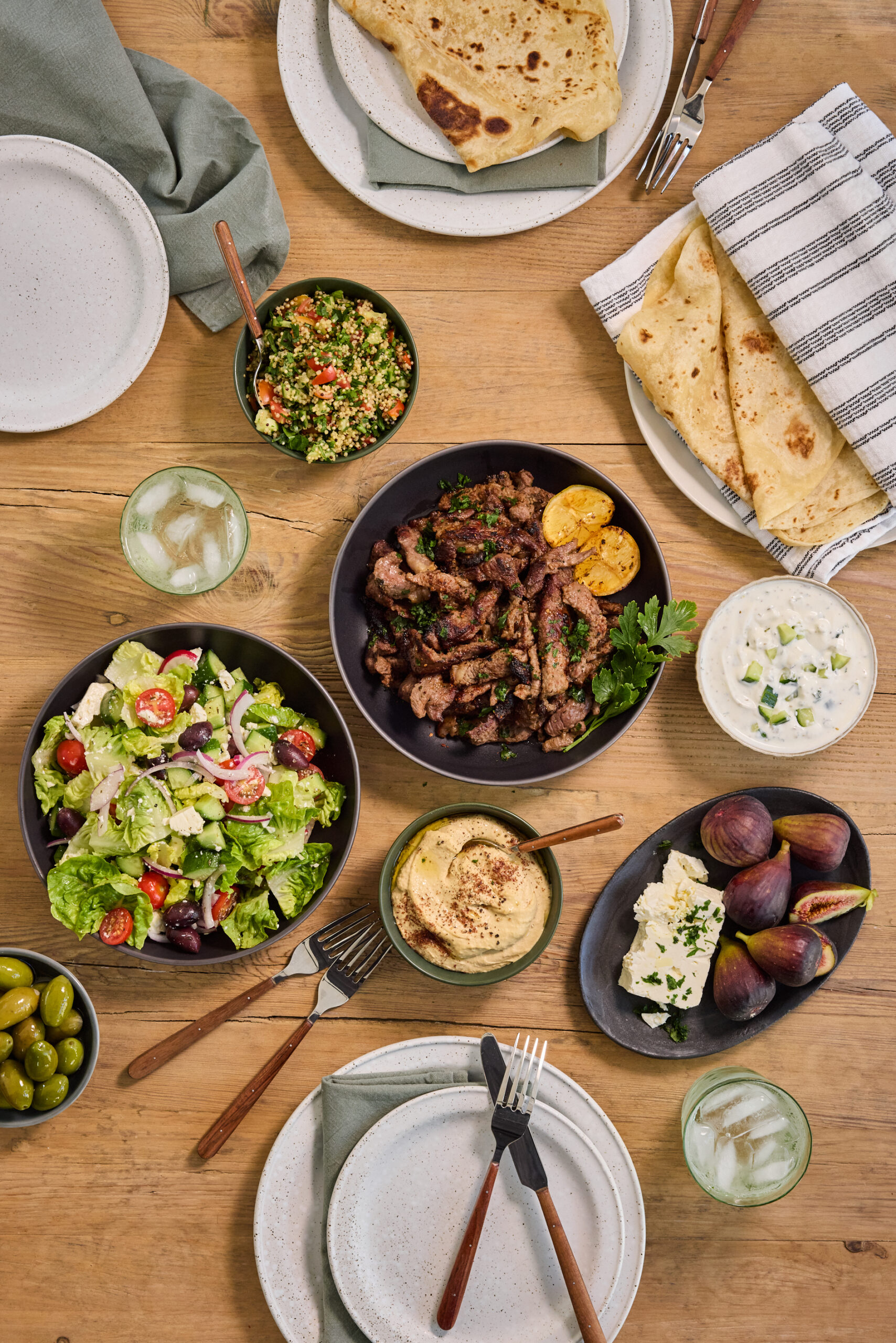
Lamb is often thought of as a rich roast reserved for weekends or special occasions, but lean lamb cuts can fit just as comfortably into everyday meals. Naturally flavourful and protein-rich, lamb is a practical option for active people who want satisfying meals without relying on the same proteins every day.
From quick-cooking cuts for busy weeknights to larger portions that work well for meal prep, there are plenty of ways to make lamb part of your regular rotation. In this guide, we’ll look at why lamb suits an active lifestyle, which cuts to choose, simple cooking methods and high-protein lamb meals you can make at home.
Why Lamb Is a Smart High-Protein Choice for Active People
Lamb brings more to the plate than protein alone. Protein content varies by cut, with Amelia Park’s guide lists boneless lamb leg at around 20g of protein per 100g raw, with some lean cuts providing more. Lamb is also a complete protein, providing all nine essential amino acids that need to come from food.
Australian lamb can also provide long-chain omega-3 fatty acids, with levels influenced by pasture quality. Choosing lean cuts of lamb can make a significant difference. Australian lamb trimmed of visible, separable fat can contain around 3–7% fat when raw, depending on the cut.
Best Amelia Park Lamb Cuts for High-Protein Meals
Different lamb cuts suit different cooking styles. Lamb strips, tenderloin and loin fillets are ideal when you need something quick, while shoulder comes into its own when you have time for slower cooking.
- Lamb strips: Tender and quick to cook, making them a great option for protein-focused salads, bowls and weeknight meals.
- Lamb tenderloin: A tender, lean cut that cooks quickly and works well grilled, pan-fried or added to salads and lighter meals.
- Lamb loin fillets: Versatile and tender, making them ideal for quick cooking on the BBQ or in a pan.
- Lamb leg steak: Lean and versatile enough for the BBQ, pan or oven, with boneless leg providing around 20g of protein per 100g raw.
- Lamb rump: A lean, meaty cut with a slightly richer flavour that works well grilled or roasted.
- Lamb shoulder: A flavourful choice for slow cooking and batch meals, with boneless shoulder providing around 20.2g of protein per 100g raw.
- Lean lamb mince: An easy everyday option for meatballs, patties, bowls and stir-fries, providing around 20.4g of protein per 100g raw.
For a closer look at where each cut comes from and how to cook it, explore Amelia Park’s complete guide to lamb cuts. You can also compare the protein content in different cuts of lamb when choosing a cut to suit your meal.
Cooking Methods That Keep Lamb Lean and Protein-Rich
Once you have chosen a lean cut, the cooking method largely determines how much extra fat and richness you add to the finished meal. Grilling or barbecuing works well for lean cuts because it is quick, requires little added fat and builds plenty of flavour. Lamb loin fillets, tenderloin and leg steak also respond well to pan-searing with a small amount of oil, while baking or oven-roasting gives you an easy, hands-off option for larger portions.
Thinly sliced lamb only needs a short time over high heat, which makes it a natural fit for stir-fries with vegetables and noodles. Lamb shoulder contains more connective tissue, so it benefits from slower cooking in a tomato- or broth-based sauce. To keep the overall dish leaner, use cream-based sauces and oil-heavy marinades sparingly, and avoid deep-frying.
High-Protein Lamb Meal Ideas
Lean lamb can move easily between quick stir-fries, grain bowls and larger batch-cooked meals, so you can keep meals varied throughout the week. These healthy lamb recipes are a good starting point, with more inspiration available through Amelia Park’s lamb recipes.
Grilled Lamb Loin Fillet & Quinoa Bowl
Grill lamb loin fillets and serve them sliced over quinoa with roasted or fresh vegetables and a simple lemon and herb dressing. Lamb loin fillets are tender and quick to cook, while quinoa adds extra protein and fibre to the bowl, making this a practical option for a protein-focused weeknight dinner or meal prep. For context, Amelia Park notes that 100g of cooked lamb provides around 25g of protein, although the exact amount varies by cut and preparation.
Lamb Stir-Fry with Greens & Noodles
For a fast weeknight option, stir-fry lean lamb strips with whatever greens and vegetables you have on hand, then toss through noodles and a light soy- or ginger-based sauce. Using ready-to-cook lamb strips keeps the cooking time short, while the combination of lamb, vegetables and noodles gives you protein, carbohydrates and plenty of colour in one pan. For an Amelia Park option, Lamb Strips are specifically suited to quick stir-fries and similar meals.
Baked Lean Lamb Meatballs
Lean lamb mince works well for simple oven-baked meatballs that can be cooked in a larger batch and frozen for busy weeks. Keep the flavours mild with garlic, herbs and a little seasoning, then serve them with wholegrain pasta, a fresh salad or a grain bowl for an easy family-friendly meal built around protein.
Lamb & Roasted Vegetable Tray Bake
A lamb and vegetable tray bake keeps things simple: one pan, minimal preparation and plenty of room to use whatever is in season. Pair a lean lamb cut with vegetables such as capsicum, zucchini, onion and sweet potato, then season with olive oil, garlic, lemon and herbs for an easy Mediterranean-style meal. It also portions well for lunches or dinners across the week.
Spiced Lamb & Chickpea Bowl
Cook lean lamb mince or diced shoulder with cumin, coriander and paprika, then serve it with chickpeas, fresh vegetables and a grain such as brown rice or quinoa. The lamb provides a solid protein base, while chickpeas add extra protein and fibre. It is also easy to batch-cook the lamb and chickpea mixture, then add fresh toppings when serving.
High-Protein Lamb Meals Under 30 Minutes
Lamb strips, loin fillets, leg steak and lamb mince all suit short cooking times, especially when paired with pre-cooked grains, flatbreads or fresh salad, making them useful for busy weeknights, lunches or after-training dinners.
Lamb loin fillet wrap with hummus and salad: Sear lamb loin fillets, slice and wrap with hummus, salad greens, tomato and cucumber. It is quick, fresh and easy to assemble while still giving the meal a strong protein base.
Spiced lamb mince with flatbread and yoghurt: Cook lean lamb mince with cumin, coriander and paprika, then serve it with wholemeal flatbread, yoghurt and chopped salad. It is a flexible option that comes together quickly and works well for the whole family.
One-pan lamb leg steak with greens and brown rice: Pan-sear lamb leg steak with green vegetables and serve it with pre-cooked brown rice. Using ready-cooked grains keeps preparation fast while still giving you a balanced mix of protein, carbohydrates and vegetables.
Meal Prep with High-Protein Lamb
For meal prep, lamb mince and slow-cooked shoulder are particularly useful because they can be cooked in larger batches and portioned easily. Lamb strips and loin fillets can also be used for salads, wraps and grain bowls, making them useful options when preparing meals for the days ahead. .
For food safety, follow Australian guidance for storing leftovers safely: divide cooked meals into smaller portions and refrigerate or freeze them within two hours. Most refrigerated leftovers should be eaten within three days, although cooked rice and pasta should be eaten within two days. Frozen leftovers can be kept for up to three months.
Portion Guide for High-Protein Lamb Meals
How much lamb suits one meal will depend on your individual energy needs, activity level and what else you eat across the day. For context, the Australian Dietary Guidelines define one standard serve of cooked lean red meat as 65g, so larger portions should not be treated as a universal recommendation.
For a simple visual guide, fill plenty of the plate with vegetables, then add lean lamb and a wholegrain carbohydrate such as brown rice or quinoa. This gives you protein, vegetables and carbohydrates in one balanced meal without making portioning overly complicated.
Why Choose Amelia Park Lamb for High-Protein Meals
Amelia Park lamb is sourced entirely from Western Australian farms, where sheep are naturally raised on open pastures with no added hormones. Depending on the product, lamb may be grass fed or grain finished, with grain-finished lamb beginning on pasture before moving onto a nutritionally balanced grain diet.
That quality has also been recognised at the Perth Royal Food Awards, where Amelia Park has received Champion WA Lamb and Gold medal honours over multiple years. Established in Busselton in 1957, Amelia Park is available through selected WA retailers, including IGAs, butchers, Woolworths and Coles Local stores, while Amelia Park lamb and beef are also featured by selected WA restaurants.
You can explore the wider Amelia Park lamb range to find cuts suited to quick meals, roasting and slower cooking.
Ready to add Amelia Park lamb to your weekly rotation? Find your nearest stockist.