

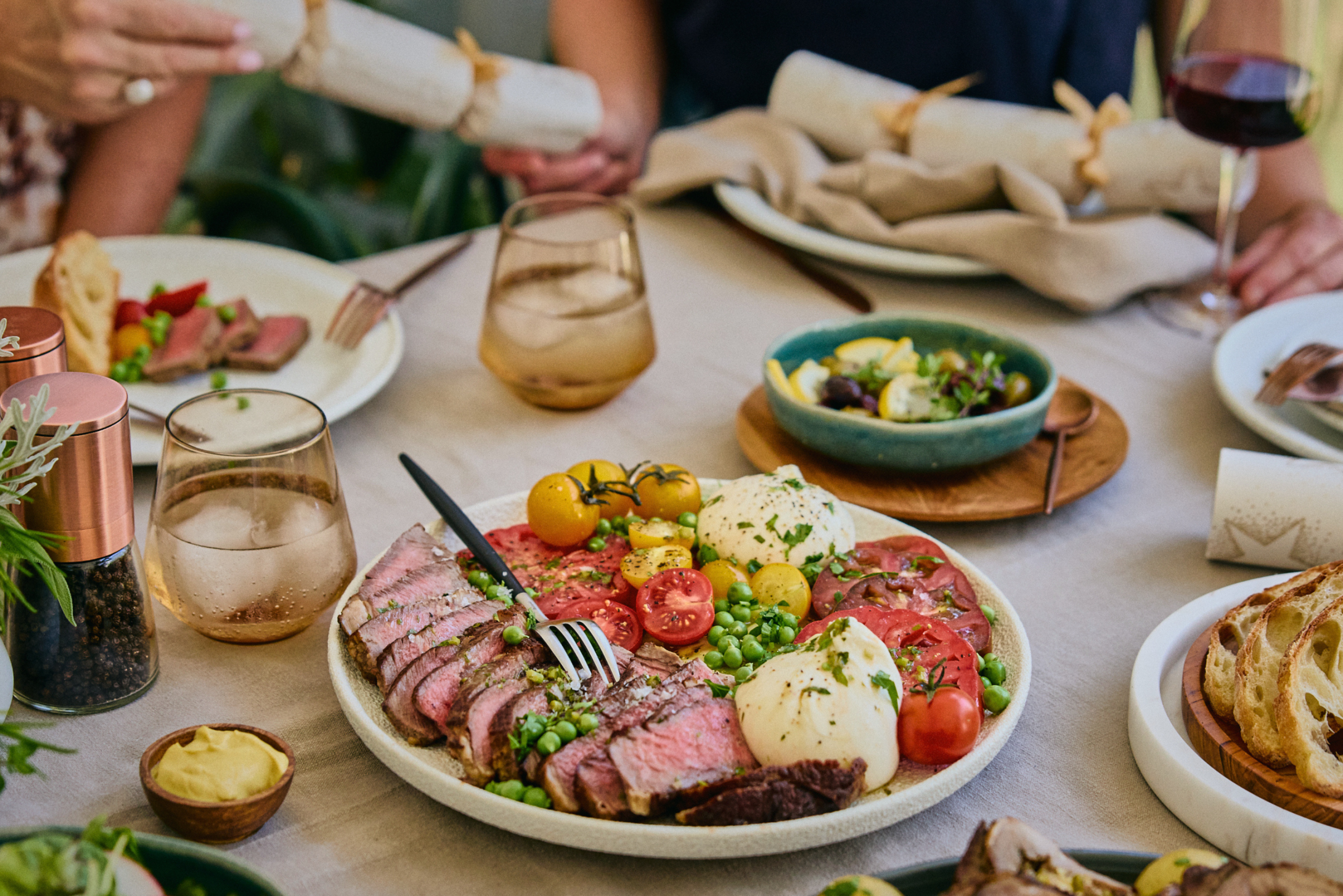
Lean beef is one of the most nutritionally complete foods available in the Australian diet. It delivers all nine essential amino acids, highly bioavailable iron and zinc, and Vitamin B12 in a single serve. Chosen well and cooked simply, it fits comfortably into a balanced weekly diet for the whole family.
This guide covers everything you need to make lean beef a confident, everyday choice: the nutritional evidence, the cuts worth knowing, the cooking methods that work, and signposts to our full recipe collections for every occasion. All cuts referenced are available in the Amelia Park range, Western Australian beef farmed and trusted by families for over 70 years.
Why Lean Beef Belongs in a Healthy Diet
The case for including lean beef regularly isn’t about tradition or taste, it’s nutritional. Here’s what a standard lean beef serve actually delivers.
Complete protein with all nine essential amino acids
Beef is a complete protein, meaning it contains all nine essential amino acids the body cannot synthesise on its own. These amino acids support muscle repair and growth, hormone production, and immune function. A 100g serve of lean raw beef provides approximately 20–25g of protein, enough to make a meaningful contribution to daily requirements for most adults (46–64g per day depending on age and activity level, as per the Australian Dietary Guidelines and NHMRC Nutrient Reference Values).
Protein also slows digestion, which translates to sustained fullness and more stable energy across the day relevant for anyone managing weight or avoiding afternoon energy slumps.
Haem iron, zinc and Vitamin B12
Beef contains haem iron, the most bioavailable form of dietary iron, absorbed at roughly three times the rate of the non-haem iron found in plant foods. A single 100g serve of lean rump contributes approximately 2.7mg of iron, or around 15–34% of the recommended daily intake depending on age and sex (NHMRC Nutrient Reference Values: Iron).
Alongside iron, lean beef is a significant source of zinc,essential for immune defence, wound healing, and growth and Vitamin B12, which supports nervous system function and red blood cell formation. For women, children, and active adults, these three nutrients working together make lean beef one of the most efficient dietary choices available.
How much beef is recommended?
The Australian Dietary Guidelines recommend up to 7 serves of lean red meat per week for adults, with a single serve equal to approximately 65g cooked. For a balanced main meal, a practical portion is 100–150g of lean beef paired with half a plate of vegetables and a quarter plate of whole grains or complex carbohydrates.
At these portions, lean beef sits comfortably within healthy eating patterns without approaching the saturated fat thresholds that give red meat its reputation.
Source: Eat for Health: Lean Meats and Alternatives – Australian Government, National Health and Medical Research Council
How Lean Beef Compares to Other Protein Sources
Beef is often compared unfavourably to chicken on the grounds of fat content. The full nutritional picture is more balanced than that comparison suggests.
| Protein source | Protein / 100g | Iron (mg) | Zinc (mg) | B12 (μg) | Iron type |
|---|---|---|---|---|---|
| Lean beef (rump) | ~22g | 2.7mg | 5.2mg | 2.4μg | Haem (high absorption) |
| Chicken breast | ~23g | 0.4mg | 0.9mg | 0.3μg | Haem (low quantity) |
| Lamb (loin) | ~20g | 2.2mg | 3.8mg | 2.6μg | Haem (high absorption) |
| Tofu (firm) | ~8g | 1.6mg | 0.8mg | 0μg | Non-haem (low absorption) |
| Eggs (whole) | ~13g | 1.8mg | 1.1mg | 1.3μg | Non-haem (low absorption) |
Source: FSANZ Australian Food Composition Database – Food Standards Australia New Zealand. Values are approximate and vary by cut, grade, and preparation.
Chicken delivers similar protein per serve but significantly less iron, zinc, and B12. Tofu and plant-based proteins contain only non-haem iron, which the body absorbs at a fraction of the rate. For anyone at genuine risk of iron or B12 deficiency, lean beef remains the most efficient single dietary source of both nutrients in the Australian food supply.
Choosing the Right Lean Beef Cuts
Cut selection determines the nutritional profile of your meal before anything happens in the kitchen. These are the cuts that deliver the best lean-to-nutrient ratio for everyday cooking.
| Cut | Fat per 100g (approx.) | Best for | Texture |
|---|---|---|---|
| Eye fillet | ~3–4g | Grilling, pan-searing | Very tender, fine grain |
| Sirloin | ~4–6g | Grilling, pan-searing, salad bowls | Firm, flavourful |
| Rump | ~5–7g | Stir-fry, wraps, grain bowls, grilling | Firm, versatile |
| Topside | ~3–4g | Slow cooking, roasting, meal prep | Lean, benefits from moisture |
| Lean mince (5–10%) | ~5–10g | Bolognese, tacos, meatballs, meal prep | Fine, adapts to any sauce |
Source: FSANZ Australian Food Composition Database – fat values are approximate and vary by animal, grade, and trimming.
Ribeye, brisket, and short ribs are richer due to higher fat marbling. Excellent for weekend cooking and special occasions, but better suited to moderation in a health-focused weekly rotation. Trimming visible fat before cooking reduces saturated fat in any cut without affecting protein content.
Healthy Cooking Methods for Lean Beef
Lean cuts are unforgiving of poor technique but reward simple, high-heat cooking exceptionally well. These methods bring out the best in lean beef without adding unnecessary fat.
- Grilling: The highest-heat, lowest-intervention method. A hot grill and a rested steak is the simplest path to a great lean beef meal. Works best with sirloin, rump, and eye fillet.
- Pan-searing with minimal oil: A light spray of olive oil in a very hot cast iron or stainless pan creates a proper crust on lean cuts. The crust is where the flavour lives, don’t rush it.
- Stir-frying: High heat, small amount of neutral oil, thinly sliced rump or topside across the grain. Fast, nutritious, and one of the most practical weeknight applications for lean beef.
- Baking: Ideal for mince-based dishes – meatballs, koftas, beef-stuffed vegetables. Even controlled heat with no added fat required.
- Slow cooking in liquid: The best method for lean cuts like topside and blade. Braising in tomato-based sauces or stock tenderises the meat over time without requiring fat. Ideal for meal prep in bulk.
Avoid everyday health cooking: Deep frying, heavy cream-based sauces, and cooking in large quantities of butter. These techniques negate the nutritional advantage of choosing a lean cut in the first place.
Building a Balanced Plate with Beef
The Australian Guide to Healthy Eating uses a plate model that makes portion balance intuitive. Applied to lean beef, a balanced main meal looks like this:
- Half the plate: vegetables and salad – at least two varieties, as varied in colour as possible.
- One quarter: lean protein – 100–150g of lean beef, sitting within the 7-serves-per-week guideline.
- One quarter: whole grains or complex carbohydrates – brown rice, quinoa, barley, wholegrain pasta, or sweet potato.
- Healthy fats in moderation: a drizzle of olive oil, half an avocado, or a small handful of nuts.
In practice: 130g grilled sirloin + a large mixed salad with two roasted vegetables + a quarter cup of cooked barley + olive oil dressing. That meal delivers approximately 35–38g of protein, meaningful iron and zinc, and sits at around 500–550 calories, satisfying, nutritionally complete, and straightforward to prepare.
The plate model also makes meal prep instinctive. Portion beef, carbohydrate, and vegetables separately in containers and you have a flexible, balanced meal system rather than the same dish reheated four nights running.
Explore Our Healthy Beef Recipe Collections
Each section below introduces a recipe category with a few examples to get you started.
Healthy Beef Recipes
A core collection of everyday lean beef meals that balance nutrition, flavour, and ease. These are the recipes that make lean beef a realistic weeknight choice rather than a weekend project.
- Grilled sirloin salad bowl – lean sirloin over mixed leaves with lemon dressing.
- Mediterranean beef grain bowl – pan-seared rump over farro with roasted capsicum and tahini.
High-Protein Beef Meals for Active Lifestyles
For training, recovery, or managing hunger across a demanding day, these meals are structured around maximising protein per serve. Each uses lean cuts as the centrepiece with complementary whole-food carbohydrates and vegetables.
- Beef and quinoa power bowl – rump steak over quinoa with roasted sweet potato and edamame (~42g protein).
- Lean steak with roasted vegetables – eye fillet with a tray of broccoli, capsicum, and zucchini (~38g protein).
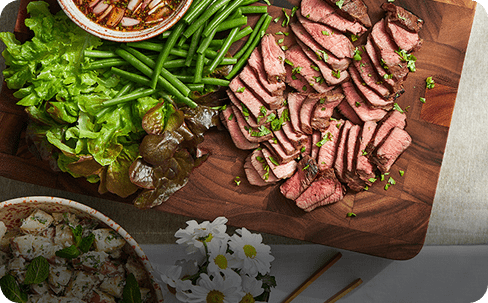
- Marinated Rump Steak – served with simple Asian greens and delivers a high-protein, balanced meal that supports sustained energy.
Low-Fat Beef Dishes That Still Deliver Flavour
Leaner cuts are a canvas for bold flavour, aromatics, and spice do the work that fat usually does. These dishes prove that reducing saturated fat doesn’t mean reducing satisfaction.
- Herb-crusted lean steak – eye fillet in a rosemary, thyme, and garlic dry rub, pan-seared in minimal oil.
- Tomato-based beef ragu – lean topside slow-cooked in tomato, red wine, and herbs. No cream required.
Beef Meal Prep: Save Time and Eat Well All Week
Beef holds texture and flavour well after refrigerating and reheating, making it one of the most practical proteins for batch cooking. A single two-hour session on the weekend can set up four to five balanced weeknight meals.
- Batch lean mince – one cook, multiple meals: bolognese, taco filling, grain bowl topping.
- Braised blade roast – slow-cook in bulk, shred, portion, and freeze in 200g serves.
Beef Recipes for Kids and Families
Lean beef supports children’s growth and development through iron, zinc, and complete protein, nutrients that matter most during childhood. The practical challenge is format and flavour. These recipes solve both.
- Beef meatballs with tomato sauce – mild seasoning, hidden vegetables, universally popular.
- Lean beef spaghetti bolognese – classic format, grated zucchini and carrot blended through the mince.
Quick 30-Minute Beef Meals for Weeknights
Speed is the biggest barrier to healthy weeknight cooking. These meals are built around the reality of a busy evening, under 30 minutes, minimal cleanup, and genuinely satisfying.
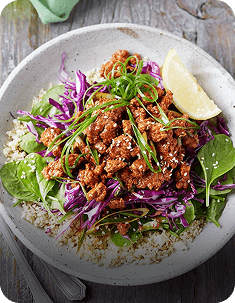
- Beef stir-fry bowl – thinly sliced rump with seasonal vegetables in ginger-soy, over brown rice. 15 minutes.
- One-pan beef and veg – lean mince with capsicum, corn, and smoked paprika. One pan, 20 minutes.
Why Amelia Park Beef Fits a Healthy Lifestyle
The quality of what you start with shapes every meal that follows. Amelia Park has been supplying Western Australian families with premium beef since 1953, over 70 years of consistent quality from WA farms to WA tables.
- WA-sourced: Every cut in the Amelia Park range is trimmed and graded for consistency. The fat profile you see on the label is what you cook with.
- Full range for everyday cooking: With a variety of fresh, premium cuts, Amelia Park provides the perfect starting point for creating something simple and magical for dinner.
- Available where you already shop: Stocked at Coles, Woolworths, and selected IGA stores across Western Australia. Premium everyday beef without a specialty trip.
Find your nearest stockist and explore the full recipe range.
Frequently Asked Questions
Is beef healthy to eat regularly?
Yes, lean beef in appropriate portions, alongside vegetables and whole grains, forms part of a healthy balanced diet. The Australian Dietary Guidelines recommend up to 7 serves of lean red meat per week for adults (approximately 65g cooked per serve). At those levels, beef contributes meaningfully to protein, iron, zinc, and B12 intake without exceeding recommended saturated fat limits.
What is the healthiest cut of beef?
Eye fillet is the leanest premium cut, followed by sirloin and rump for everyday value. Lean topside and 90% lean mince (5–10% fat) offer the best nutritional return for everyday budget cooking. Cooking method matters as much as cut selection, a lean rump grilled with minimal oil will always outperform an eye fillet cooked in butter.
How much beef should I eat per meal?
A standard serve is 65g cooked. Most adults eat one to two serves per meal, making a practical portion 100–150g cooked lean beef. The Australian Dietary Guidelines recommend reviewing intake weekly rather than per-meal. 7 serves (around 455g cooked) per week is the upper guideline for adults, spread across four to five beef-based meals.
Is beef good for muscle building?
Yes. Beef provides a complete amino acid profile with high levels of leucine, the amino acid most directly associated with triggering muscle protein synthesis. It also delivers creatine, zinc, and iron, which support training performance and recovery. Many sports dietitians include lean beef as a core protein source specifically for this combination of nutrients.
Is lean mince healthy?
Yes, lean mince (5-10% fat) is one of the most practical and nutritious forms of beef for everyday cooking. It delivers the same protein, iron, and zinc as whole cuts at lower cost and higher versatility. Look for labels reading ‘90% lean’ or ‘extra lean.’ Check FSANZ nutrient data via the Australian Food Composition Database for specific values by product.
What is the difference between haem and non-haem iron?
Haem iron is the form found in red meat, poultry, and seafood. It is absorbed by the body at approximately 15-35% efficiency. Non-haem iron, found in plant foods like spinach, legumes, and tofu, is absorbed at only 2-5% efficiency. This is why lean beef is considered one of the most important dietary sources of iron for women, children, and active adults in Australia, even when eaten in moderate serves. For full reference values, see the NHMRC Nutrient Reference Values for Iron.